


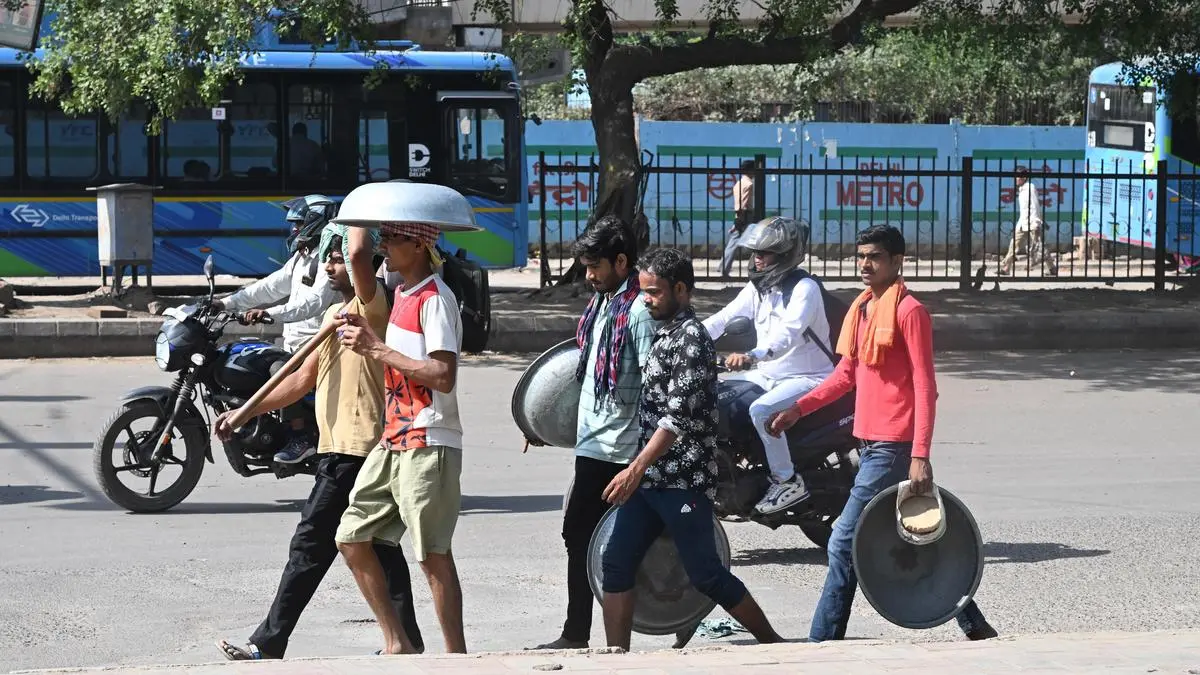
Bhubaneswar: A recent labour report by the State Bank of India (SBI) has revealed that Odisha is among the states with the highest minimum wage violations in the country.
Based on data from the Periodic Labour Force Survey (PLFS) 2025, the report found that nearly 66 per cent of casual workers in Odisha are reportedly earning below the legally mandated minimum wage. The findings raise serious concerns about wage protection, labour law enforcement, and the economic vulnerability of informal workers across eastern India.
According to the report, Chhattisgarh emerged as the worst-affected state, with nearly 70 per cent of casual workers reportedly receiving less than the statutory minimum wage. Odisha followed closely with 66 per cent violations, while Jharkhand recorded 65 per cent.
The report highlights major regional disparities in labour law compliance and suggests that a large section of India’s casual workforce continues to work without guaranteed wage protection.
Across India, nearly one-fourth of casual workers are reportedly being paid below the minimum wage prescribed under labour laws. The SBI research report noted that wage violations are not limited to economically weaker states. Several major states also showed concerning levels of non-compliance.
Punjab recorded around 37.19 per cent of casual workers earning below minimum wage, while Maharashtra and West Bengal each reported nearly one-third of workers being underpaid.
In comparison, Tamil Nadu and Telangana showed stronger compliance with minimum wage regulations. The report stated that Andhra Pradesh recorded no violations in this category.
The report also underlined a significant gender imbalance in wage inequality. Although women make up only 25 per cent of India’s casual workforce, they account for nearly 45 per cent of workers earning below minimum wage levels. The findings suggest that female workers remain disproportionately vulnerable to wage exploitation and informal employment conditions.
Experts believe the data reflects deeper structural issues related to labour monitoring, informal sector dependence, and unequal access to economic opportunities.
The SBI report stressed the importance of stricter implementation of labour regulations and improved monitoring systems to ensure workers receive fair wages. Labour economists say better enforcement, digital wage tracking, stronger inspections, and awareness among workers about legal wage entitlements could help reduce violations.
The findings are likely to intensify discussions around labour reforms, worker protection, and income inequality, especially in states with high dependence on casual and daily wage employment.

Comments are closed, but trackbacks and pingbacks are open.