


CREDAI seeks 5% capital gains tax, higher home loan deduction in Budget

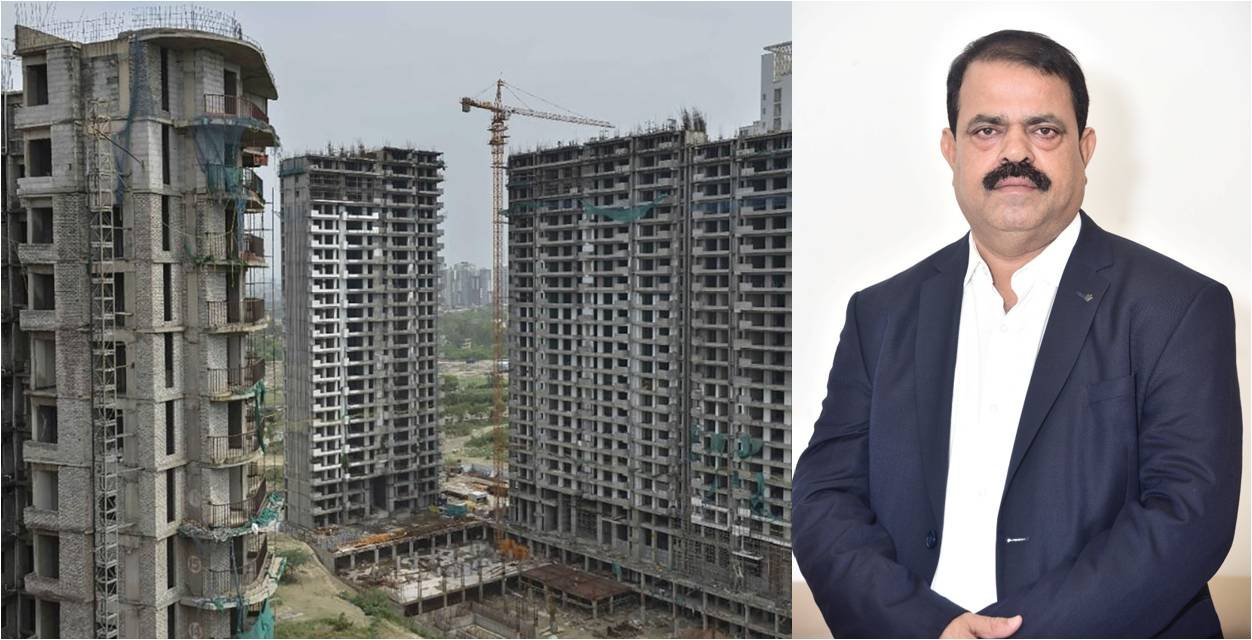
Bhubaneswar: The Confederation of Real Estate Developers’ Associations of India (CREDAI) has urged the Centre to introduce a series of tax and fiscal incentives in the Union Budget 2027-28 to improve housing affordability, boost real estate investment and strengthen the affordable housing segment.
In its budget recommendations, CREDAI has proposed reducing long-term capital gains (LTCG) tax on land and buildings held for two years or more to 5 per cent, enhancing tax deductions on home loan interest and revising the definition of affordable housing to reflect prevailing market conditions.
The recommendations assume particular significance amid the declining supply of affordable homes. According to CREDAI, the share of houses priced below Rs 50 lakh across India’s top eight cities dropped sharply from 54 per cent in 2018 to 21 per cent in 2025, largely due to rising land and construction costs.
The association has proposed a uniform, area-based definition of affordable housing across GST, income tax and priority sector lending. It has suggested carpet area limits of 70 square metres in notified metropolitan areas, 90 square metres in urban centres with populations of 10 lakh and above, and 120 square metres elsewhere. It has also recommended raising the affordable housing price ceiling to Rs 90 lakh, with an annual escalation of 5 per cent.
To encourage affordable housing development, CREDAI has sought the reintroduction of incentives similar to the erstwhile Section 80-IBA, proposing a 100 per cent deduction on profits from eligible projects approved between April 2027 and March 2032.
The association has further proposed strengthening the credit guarantee mechanism for affordable home loans by increasing the existing Rs 20 lakh loan ceiling and providing a uniform 75 per cent guarantee cover. A 10-year income tax exemption on rental income from eligible affordable homes has also been recommended.
Highlighting Odisha’s emerging real estate potential, Swadesh Kumar Routray, Vice-President, CREDAI National and Chairman, CREDAI Odisha, said the proposed reforms could attract fresh investments, generate employment and accelerate sustainable urban development, particularly in Tier-II and Tier-III cities.
CREDAI National President Shekhar Patel said a consistent tax framework would improve homebuyer affordability, enhance project viability and encourage landowners to participate in organised real estate development.
The recommendations also include a 22 per cent optional tax regime for partnership firms and LLPs and a 15 per cent tax rate for new service-sector units in Special Economic Zones.

Comments are closed.