


World Pakhala Day: Fermented rice a symbol of simplicity & sustainability, says CM

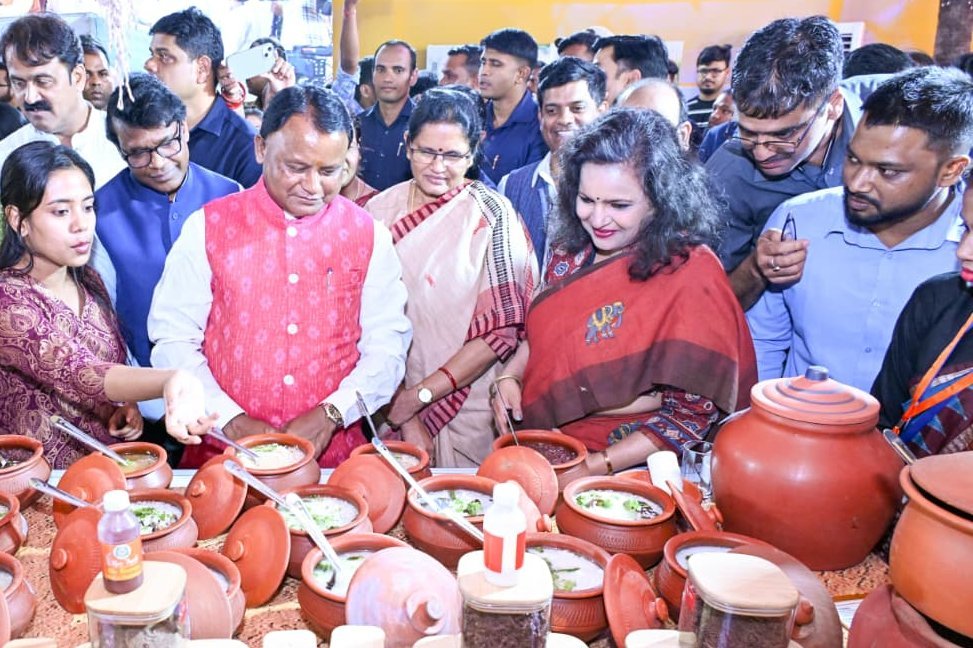
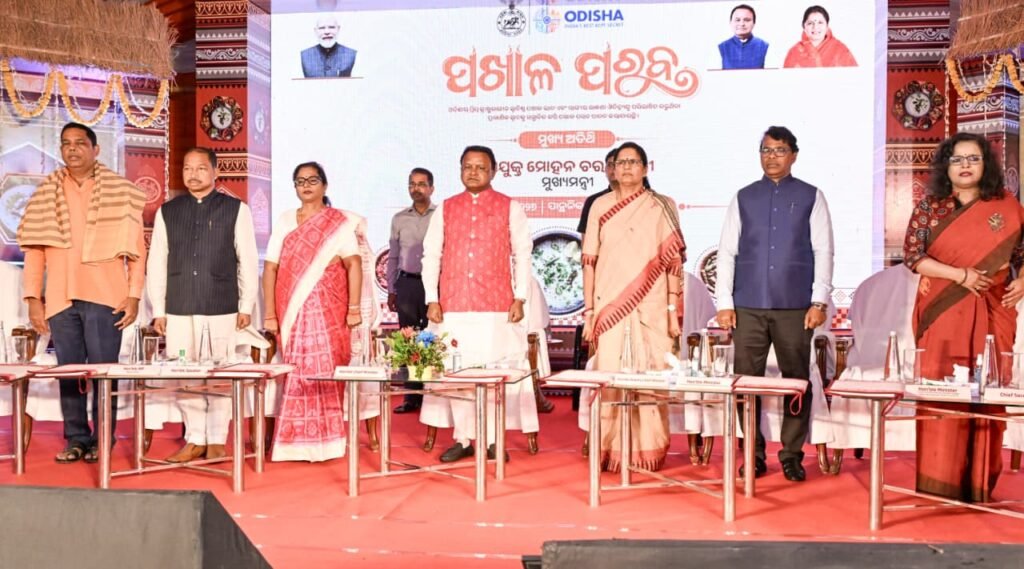
Bhubaneswar: Chief Minister Mohan Majhi described Odisha’s iconic summer staple a powerful symbol of simplicity, sustainability, and Odia heritage during the state-level Pakhala Parba celebration at Panthanivas in Bhubaneswar on Friday.
“Pakhala is far more than mere food, it is an inseparable part of Odisha’s culture, tradition, and identity,” he noted.
The Chief Minister shared fond childhood memories of the dish, highlighting its deep emotional resonance. He further noted that it remains a cherished offering to Lord Jagannath at Shree Jagannath Temple in Puri, where it is served as ‘tanka torani’ and ‘Pakhala Bhog’.
While highlighting its “zero-waste” nature and probiotic benefits, Majhi stressed that World Pakhala Day, observed on March 20, has grown from a humble local tradition into a vibrant global celebration. “Odias across India and around the world now proudly mark the day, using Pakhala as a bridge to their roots. The love for Pakhala has spread worldwide, carrying our culture to every corner of the globe,” he said, expressing pride in how the dish unites the Odia diaspora.
The Chief Minister also expressed gratitude to farmers for their contributions and urged the younger generation to value Odia traditions while embracing progress. He linked the event to the government’s vision of a “Viksit Odisha” (developed Odisha), balancing modernity with the preservation of ancient heritage.
Prior to the programme, Majhi toured an Odia food fair showcasing 326 varieties of traditional dishes. He later joined other dignitaries, including Assembly Speaker Surama Padhy, Deputy Speaker Bhabani Shankar Bhoi, Deputy Chief Ministers Kanak Vardhan Singh Deo and Pravati Parida, Forest, Environment and Climate Change Minister Ganesh Ram Singh Khuntia, Rajya Sabha member Manmohan Samal, Ekamra Bhubaneswar MLA Babu Singh, and Chief Secretary Anu Garg, in savouring Pakhala.
The Tourism Department made a Guinness World Record attempt for the largest serving of Pakhala at the event. An impressive 1,177 kg of the fermented dish was prepared using 850 kg of rice. Over 2,000 portions of this Pakhala were also distributed among underprivileged communities.
The event also featured virtual interactions with non-resident Odias from 15 countries, including Indonesia, Malaysia, Bahrain, and Singapore. Majhi honoured chefs promoting Odia cuisine at national and international levels.
Earlier on the day, he described Pakhal as ‘the aroma of our soil, the pride of our traditions, and an integral part of Odia lifestyle’ in a post on X. He called upon Odias, both in Odisha and around the world, to preserve the glory of this traditional food while strengthening their identity on the global stage.
Union Minister Dharmendra Pradhan warmly praised Pakhala as an integral and cherished element of Odia life, deeply intertwined with the state’s agricultural roots and rich cultural traditions. He described it as a powerful symbol of pride, identity, and Odisha’s enduring heritage.
Acclaimed sand artist Sudarsan Pattnaik also created a sculpture on Puri seas beach to celebrate the day. “A day dedicated to the most liked Odia delicacy, Pakhala is indeed a great feeling. Here is my sand art at Puri beach in Odisha,” he wrote.
Since 2015, March 20 has been dedicated to honouring the cherished summer dish of fermented rice, a culinary treasure that not only cools the body during the scorching heat but also warms the soul with comfort. As content creator Manas Muduli rightly puts: “…simple, cooling, and deeply rooted in tradition. From farmers to food lovers, Pakhala is more than a dish… it’s an emotion.”
No wonder, this celebration aligns perfectly with the International Day of Happiness, and follows just two days after World Sleep Day. Pakhala embodies both joy and tranquility for Odias around the world. And, people who love it, also swear by its sleep-inducing quality. On a sultry afternoon, a bowl of Pakhala followed by an hour of nap is what Odias cherish.
Pakhala is prepared by soaking cooked rice in water, often mixed with yogurt, curd, spices, green chillies, and sometimes lemon or curd. Its fermentation process makes it rich in probiotics, easy to digest, and naturally cooling — ideal for Odisha’s hot summer months. The dish symbolises simplicity, sustainability, and Odia identity: affordable for the rich and poor alike, it has roots in temple offerings to Lord Jagannath and has spread to neighbouring states like Bengal and Assam.

Comments are closed, but trackbacks and pingbacks are open.