


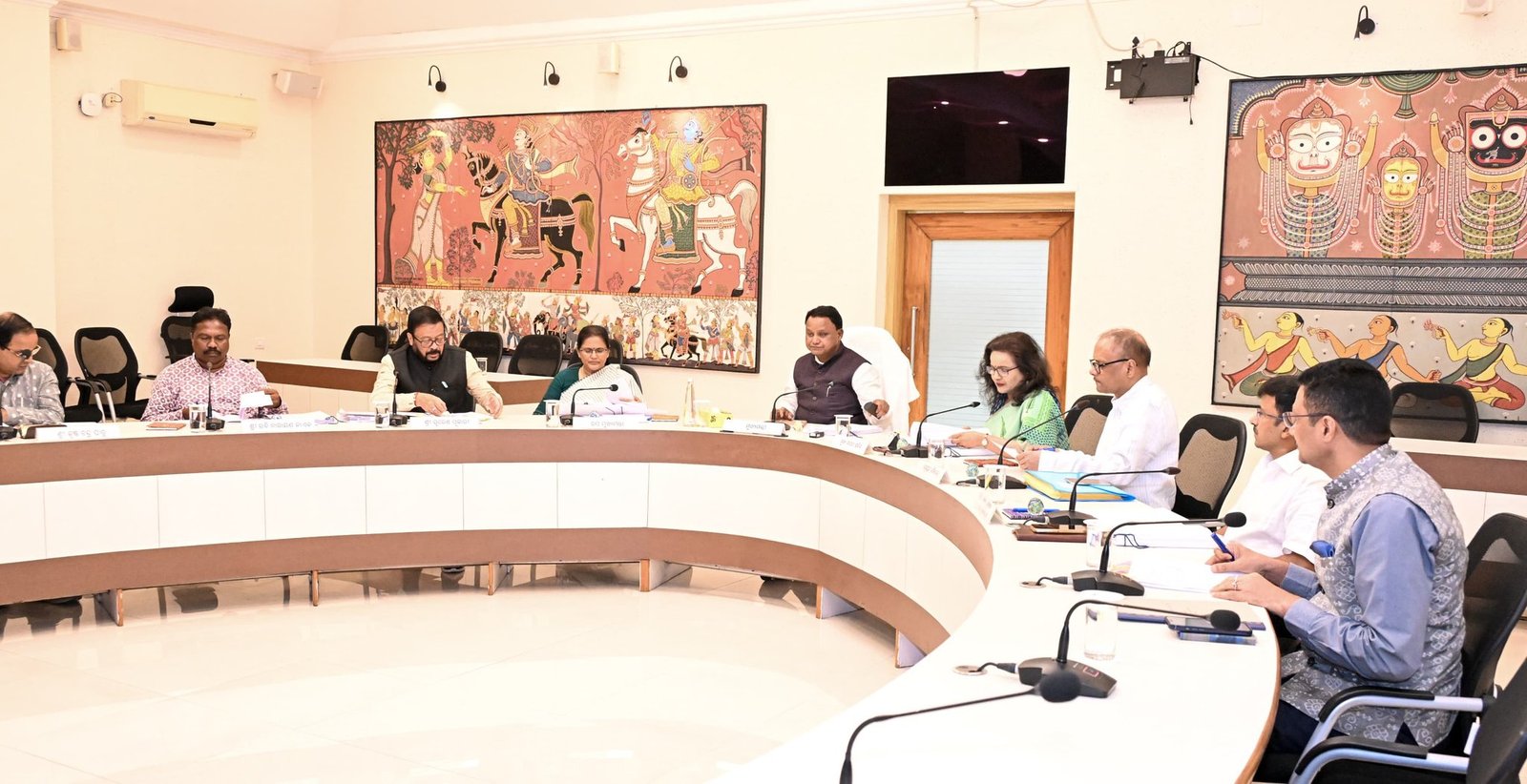
Bhubaneswar: In an attempt to give a push to the tourism and hospitality sector, the Odisha Cabinet chaired by Chief Minister Mohan Charan Majhi on Monday approved the land bank for hospitality infrastructure scheme for providing land to hotels and tourism-led projects.
Announcing the decision in the post-cabinet briefing, Chief Secretary Anu Garg said around 5,500 acres of government and private land will be identified and developed across major tourist destinations including Chilika lake, Konark Sun temple, Puri, Dhauli, Hirakud dam, Satkosia Tiger Reserve, Similipal National Park, Bhitarkanika National Park, Daringbadi, Deomali, Buddhist circuit, Jiranga, Talsari and Tampara-Aryapalli among others.
The initiative seeks to create a dedicated tourism land bank to facilitate large-scale investments in the hospitality sector and support tourism-led economic growth. It will be implemented from 2026-27 to 2030-31 with an annual allocation of Rs 300 crore and a total estimated financial implication of Rs 1,500 crore. “The tourism land bank will provide investors with infrastructure-ready land parcels, enabling faster development of hotels, resorts, convention centres, eco-tourism projects and wellness retreats,” she said.
Garg said the scheme has been designed to support the growth of emerging tourism destinations and create new economic opportunities in rural and remote areas.
The government expects the initiative to generate employment, strengthen local economies and position Odisha among Asia’s leading eco-cultural tourism destinations, she added. The cabinet also approved the Waterfront Development Scheme, which will be implemented by the Housing and Urban Development department with a total outlay of Rs 500 crore over five years.
The scheme aims to rejuvenate riverfronts and urban water bodies in selected cities and transform them into environmentally-sustainable and accessible public spaces. It will be implemented in coordination with development authorities and urban local bodies.
The Chief Secretary said that the initiative will help restore river ecosystems, improve urban livability, promote tourism and cultural activities, conserve local heritage and strengthen climate resilience through better flood management infrastructure. The scheme also emphasises social inclusion by creating safe and accessible public spaces for all sections.

Comments are closed.