


by Sadhana Patri
Maha Bishuba Sankranti (Pana Sankranti) is the traditional New Year festival of the Odia people in Odisha. It falls on the first day of the solar month of Mesa in the Odia calendar, corresponding to the lunar month of Baisakha.
Celebrated on April 13-14 each year, the festival includes visits to Shiva, Shakti, or Hanuman temples, ritual baths in rivers or pilgrimage centers, and vibrant community fairs (mela). Traditional dances, acrobatics, feasts, and the sharing of pana-a refreshing drink mnade of wood apple, milk, yogurt, and coconut-are central to the festivities.
Pana Sankranti is linked to other South and Southeast Asian solar New Year festivals such as Vaisakhi (North and Central India, Nepal), Bohag Bihu (Assam), Pohela Boishakh (Bengal), and Puthandu (Tamil Nadu).
Vaisakhi (Baisakhi), celebrated on April 13-14 in Punjab, Haryana, and Uttarakhand, marks both the harvest season and the founding of the Sikh Khalsa. Farmers thank God for a plentiful harvest and pray for prosperity in the coming year. Key traditions include visiting gurdwaras (especially the Golden Temple in Amritsar), Nagar Kirtan processions, community feasts (langar), and lively folk dances such as Bhangra and Gidda. Many Sikhs choose Vaisakhi as the day to be initiated into the Khalsa. Yellow and orange, symbolizing rebirth, sacrifice, and joy, are the festival’s traditional colors.
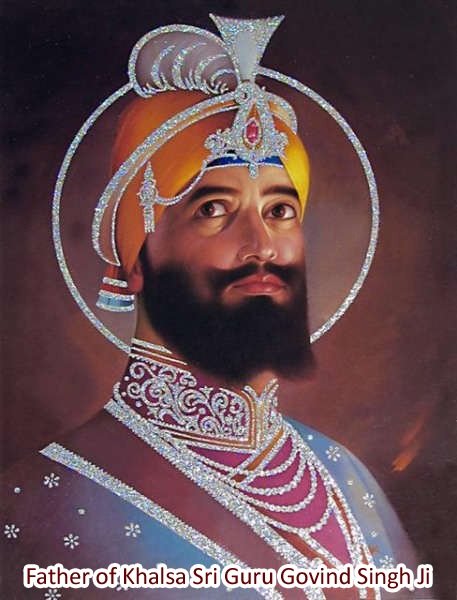
The Story of Vaisakhi dates back to 1699, when Guru Gobind Singh Ji, the tenth Sikh Guru, introduced the Amrit ceremony and created the Khalsa Panth-a community of saint-soldiers. The “five beloved ones” (Panj Pyare) were initiated and instructed to uphold the five Ks: Kes (uncut hair), Kangha (comb), Karra (iron bracelet), Kachera (white undergarment), and Kirpan (sword). This moment marked the formalization of Sikh identity, the rejection of caste hierarchy, and the blending of spiritual and temporal responsibilities.
Gurdwaras are beautifully decorated, and religious services include scripture readings and hymn chanting. Nagar Kirtan processions carry the Guru Granth Sahib in honor, accompanied by martial arts displays and music. Free food (langar) is served, reinforcing Sikh values of equality and community. In Punjab, the golden wheat fields ready for harvest add to the festive spirit. Beyond India, Sikh communities worldwide gather at gurdwaras to pray, meditate, and renew their commitment to the Guru and their faith.
(Call: 8908202641)

Comments are closed, but trackbacks and pingbacks are open.