


Bhubaneswar: Odisha has emerged as a key beneficiary of the Centre’s Gati Shakti Multi-Modal Cargo Terminal (GCT) initiative, with 12 cargo terminals already operational and in-principle approval granted for 36 more locations across the State to strengthen rail-based freight movement.
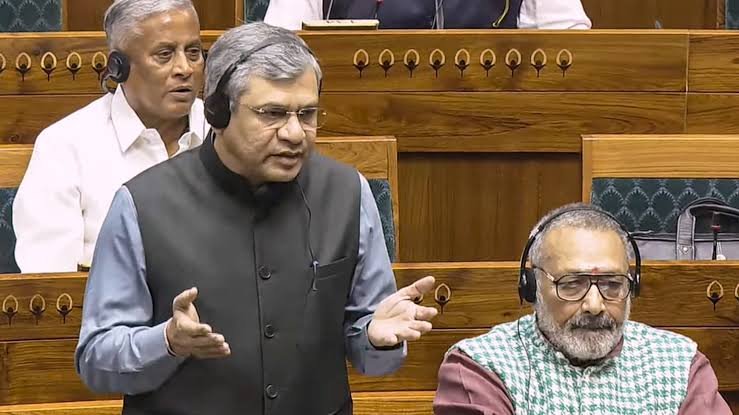
Union Minister for Railways Ashwini Vaishnaw shared the information in a written reply to a question in the Lok Sabha on Wednesday. The Minister also informed the House that a proposal to establish a new Gati Shakti Cargo Terminal at Porjanpur (PRNR) in Keonjhar Lok Sabha constituency is currently under consideration.
The GCT policy, launched to encourage private investment in rail freight infrastructure, aims to make cargo transportation faster, more efficient and cost-effective through modern multimodal logistics facilities.
According to the Ministry of Railways, 142 terminals have been commissioned across the country so far, with a combined freight handling capacity of over 224 million tonnes per annum (MTPA). The initiative has attracted nearly Rs 10,000 crore in private investment, while the terminals handled 146 million tonnes of freight during 2025-26.
In addition, in-principle approvals have been granted for 310 more GCTs nationwide. The 12 operational GCTs in Odisha are located at Paradeep (three terminals) in Jagatsinghpur, between Kechobahal and Laikera in Jharsuguda, Jajpur Keonjhar Road, Brajrajnagar in Jharsuguda, Machapar in Kataka, Barpali Road in Sundargarh, Sogra in Sambalpur, Brundamal in Jharsuguda, Jakhpura in Jajpur and Bondamunda Junction in Sundargada. These terminals are expected to improve cargo movement for industries, ports and mining regions across the State.
The Gati Shakti Cargo Terminals are designed to handle a wide range of commodities, including cement, steel, foodgrains, fertilisers, coal, fly ash, minerals, containers, automobiles and agricultural produce.
The terminals are equipped with modern logistics infrastructure such as warehouses, silos and cold storage facilities, helping industries, farmers and traders access efficient freight services.
The Ministry said the policy is reducing first-mile and last-mile logistics costs, improving wagon turnaround time and encouraging a shift of freight from road to rail. Besides strengthening rail connectivity, the initiative is expected to generate employment, enhance industrial competitiveness and support regional economic development.

Comments are closed.